
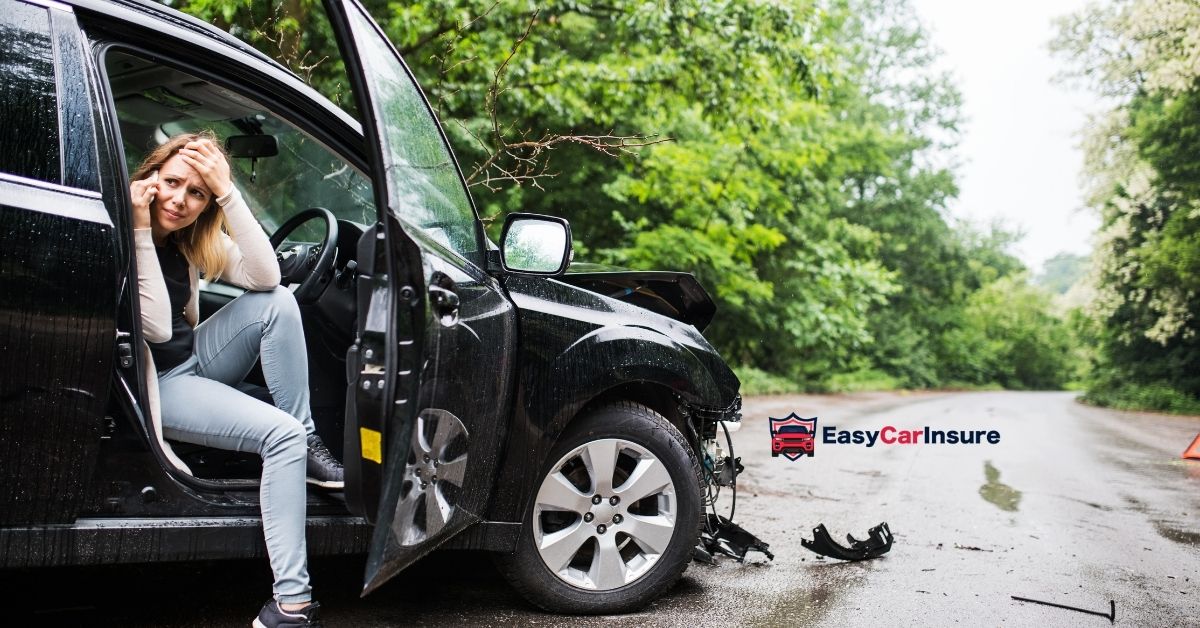
A car accident can happen in seconds, but what you do immediately afterwards can affect your safety, your insurance claim, and how quickly you get back on the road.
Even a minor accident can feel overwhelming. You may be shaken, unsure who was responsible, or worried about the cost of repairing your vehicle. Having a clear plan can help you remain calm and avoid mistakes that could complicate matters later.
Here is what South African drivers should do after a car accident.
Stop and Check Whether Anyone Is Injured
Stop your vehicle as soon as it is safe to do so. Leaving the scene of an accident without following the correct procedure can have serious consequences.
Check yourself, your passengers, the occupants of the other vehicle, and any pedestrians involved for injuries.
If anyone is injured, call emergency services immediately. Avoid moving an injured person unless they are in immediate danger, such as from fire or passing traffic.
Try to remain calm and clearly explain:
- Where the accident happened
- How many vehicles were involved
- Whether anyone appears to be injured
- Whether the road is blocked
- Whether there are any additional dangers at the scene
Make the Scene as Safe as Possible
If the vehicles can be moved safely and nobody has been seriously injured, move them out of the flow of traffic after taking photographs of their original positions.
Switch on your hazard lights and place a warning triangle behind your vehicle if you have one available.
Do not stand between damaged vehicles or in an active traffic lane. If the accident happened on a highway, remain alert to approaching traffic and wait in a safe place whenever possible.
Exchange the Correct Information
Exchange details with every driver involved in the accident.
You should collect:
- Full name and surname
- ID number
- Mobile number
- Residential address
- Driver’s licence details
- Vehicle registration number
- Make, model and colour of the vehicle
- Name of the vehicle’s registered owner
- Insurance company and policy details, if available
If the driver is not the registered owner, ask for the owner’s contact information as well.
Remain polite, but avoid arguing about who caused the accident. You should also avoid accepting blame or making promises about payment at the scene.
Take Plenty of Photographs
Photographs can provide valuable evidence when an insurer assesses your claim.
Use your phone to photograph:
- All vehicles involved
- Damage to each vehicle
- Vehicle registration plates
- The position of the vehicles
- The road and surrounding area
- Skid marks or debris
- Traffic lights and road signs
- Weather and road conditions
- Any property damaged during the accident
Take both close-up and wide-angle photographs. A close-up may show the damage clearly, while a wider photograph provides context about how the accident happened.
If it is safe to do so, record a short video of the scene as well.
Speak to Witnesses
Independent witnesses can be extremely helpful if drivers disagree about what happened.
Ask anyone who saw the accident for their:
- Name
- Mobile number
- Email address
You can also ask whether they would be willing to provide a short written or recorded description of what they witnessed.
Do not pressure witnesses or tell them what you think happened. Allow them to describe the accident in their own words.
Write Down What Happened
Details can become difficult to remember once the initial shock has passed.
Make a note of:
- The date and time of the accident
- The exact location
- The direction each vehicle was travelling
- The weather and visibility
- The condition of the road
- What happened immediately before the accident
- Any relevant statements made by the other driver
A simple diagram showing the road, vehicles and direction of travel can also help you explain the accident later.
Report the Accident
Certain road accidents must be reported to the police, particularly when someone has been injured or killed. SAPS advises that these accidents should be reported within 24 hours.
Even if nobody was injured, an accident report number may be required when submitting an insurance claim. Report the accident as soon as possible and keep the reference or accident report number somewhere safe.
If you are uncertain about the reporting requirements, contact the nearest police station or your insurer for guidance.
Contact Your Insurer as Soon as Possible
Notify your insurer promptly, even if the damage appears minor or you believe the other driver was responsible.
Your insurer will explain:
- What documents are required
- Where your vehicle should be assessed
- Whether the vehicle may be driven
- Which towing service or repairer should be used
- What excess may apply
- How the claims process will work
Do not authorise repairs before speaking to your insurer. Using an unapproved towing company or repairer could affect your claim, depending on the conditions of your policy.
Be Careful When Arranging a Tow
After an accident, a tow truck may arrive before you have contacted your insurer.
Before allowing anyone to tow your vehicle:
- Ask who sent them
- Confirm where the vehicle will be taken
- Request a written breakdown of the towing and storage fees
- Contact your insurer to check whether the towing company is approved
- Remove valuables and personal belongings from the vehicle
Do not sign documentation you do not understand. Some towing and storage charges can become expensive if your insurer has not approved the service.
Keep Every Relevant Document
Create a folder for everything connected to the accident and your claim.
Keep copies of:
- Photographs and videos
- The police accident report number
- Witness details
- The other driver’s information
- Medical records or invoices
- Towing documentation
- Repair quotations
- Emails and messages
- Claim forms and reference numbers
Having everything organised can make it easier to respond when your insurer requests additional information.
Why the Right Car Insurance Matters
An accident can leave you facing repair costs, towing fees, medical expenses, or damage caused to another person’s vehicle.
The protection available to you depends on the type of insurance you have and the specific terms of your policy. Comprehensive car insurance may provide wider protection than basic third-party cover, but benefits, exclusions and excess amounts differ between policies.
That is why it is important to compare more than the monthly premium. Look at what is covered, what is excluded, how much excess you may need to pay, and what support is available when you need to claim.
Be Prepared Before an Accident Happens
Nobody plans to be involved in an accident, but every driver can prepare for one.
Save your insurer’s emergency and claims numbers on your phone. Keep a warning triangle, first-aid kit and emergency contact information in your vehicle. It is also worth reviewing your policy regularly to make sure your vehicle details and personal information remain correct.
Most importantly, make sure you have cover that suits your vehicle, budget and everyday driving needs.
Compare Car Insurance Options Today
The right car insurance can help protect you from the financial impact of an unexpected accident.
Easy Car Insure makes it simpler to explore car insurance options suited to your needs and budget.