
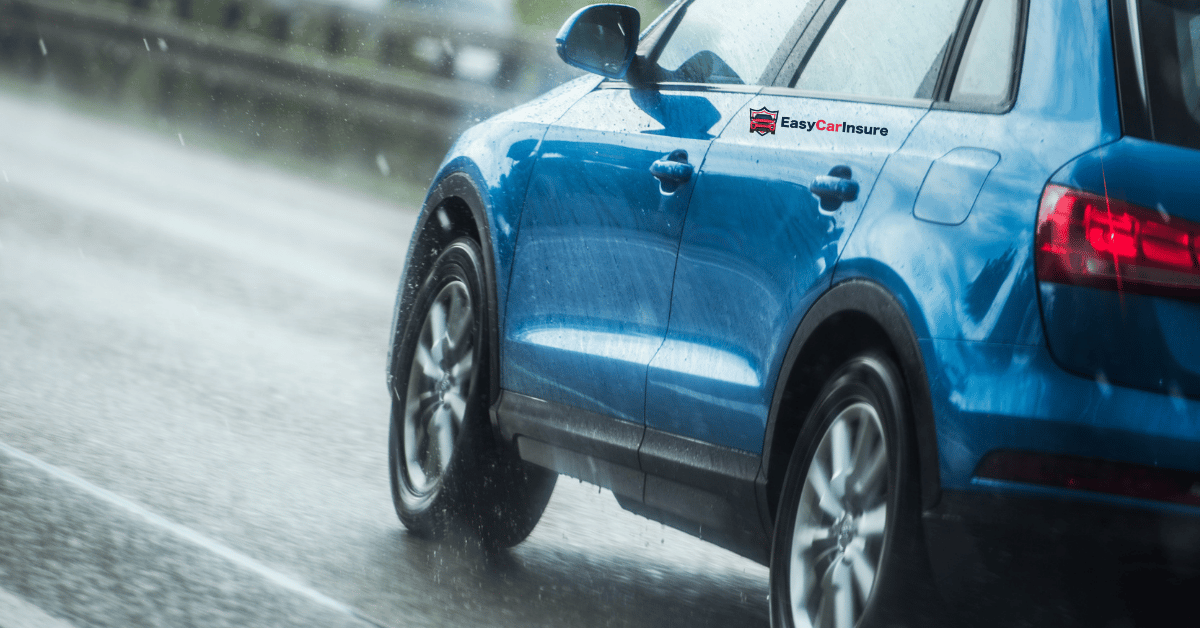
Winter driving in South Africa may not always come with snow-covered roads, but that does not mean it is risk-free. Colder months often bring darker mornings, earlier sunsets, misty conditions, wet roads, and reduced visibility. These small changes can make everyday driving more challenging, especially for people commuting to work, doing school runs, or travelling long distances.
One of the biggest risks during winter is poor visibility. Many drivers leave home before sunrise or return after dark, which means more time spent driving in low-light conditions. Fog, mist, and rain can make it even harder to see clearly, especially on highways or rural roads. This is why it is important to make sure your headlights, brake lights, and indicators are working properly before the season becomes more demanding.
Wet roads are another common winter hazard. Even a light drizzle can make roads slippery, especially when mixed with oil, dust, and dirt that have built up on the surface. This can increase braking distance and make sudden stops more dangerous. Drivers should leave extra space between vehicles, reduce speed when roads are wet, and avoid harsh braking where possible.
Tyres also play a major role in winter driving safety. Worn tyres can reduce grip, especially in wet or uneven conditions. Checking tyre tread and pressure regularly is a simple habit that can make a real difference. Underinflated or damaged tyres can affect handling, fuel use, and braking ability, all of which matter when conditions are less predictable.
Another issue many drivers overlook is fatigue. Cold, dark mornings can make people feel more tired, and long drives in gloomy weather can reduce concentration. This is especially risky for early commuters and people who drive after a long workday. Taking breaks, staying alert, and avoiding distractions behind the wheel are all important parts of safer winter driving.
Car maintenance is also worth paying attention to. A weak battery, worn wipers, or faulty lights can quickly turn into a serious problem when the weather is cold or wet. Before winter sets in fully, it is a good idea to check your battery, windscreen wipers, coolant, oil, and lights. These small checks can help prevent stressful roadside surprises.
While careful driving helps reduce risk, accidents can still happen. That is why having the right car insurance matters. Insurance gives you financial protection if your vehicle is damaged, stolen, or involved in an accident. During a season when driving conditions can be more unpredictable, that peace of mind can be especially valuable.
Winter roads may look ordinary, but they can be more dangerous than they appear. By staying alert, maintaining your vehicle, and making sure you are properly covered, you can drive with more confidence through the colder months.
You can find out more here.